
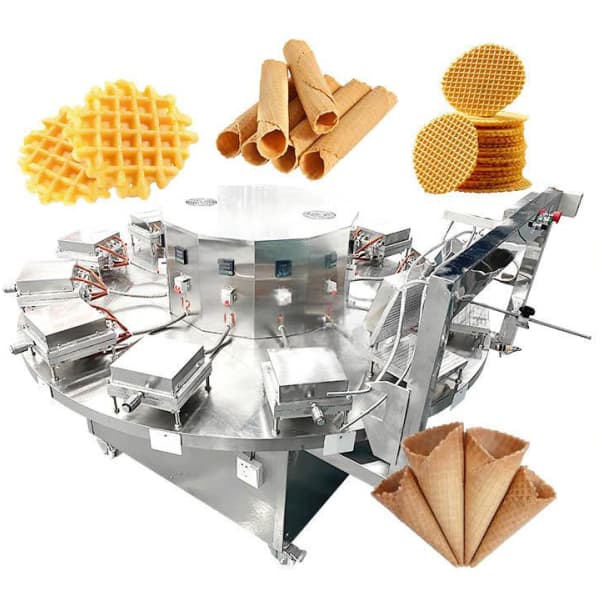
Le commerce des cornets de glace peut paraître simple en apparence, mais derrière cette image joyeuse se cache une industrie étonnamment résiliente et potentiellement lucrative.. Des cornets de gaufres traditionnels vendus par les vendeurs ambulants à la fabrication à grande échelle approvisionnant les marques mondiales de crème glacée, le secteur des cornets de glace couvre un large éventail d’opportunités. Cet article explore la rentabilité d'une entreprise de cornets de glace., quels facteurs déterminent le succès, et si cette niche alimentaire classique a encore de la place pour de nouveaux entrants.
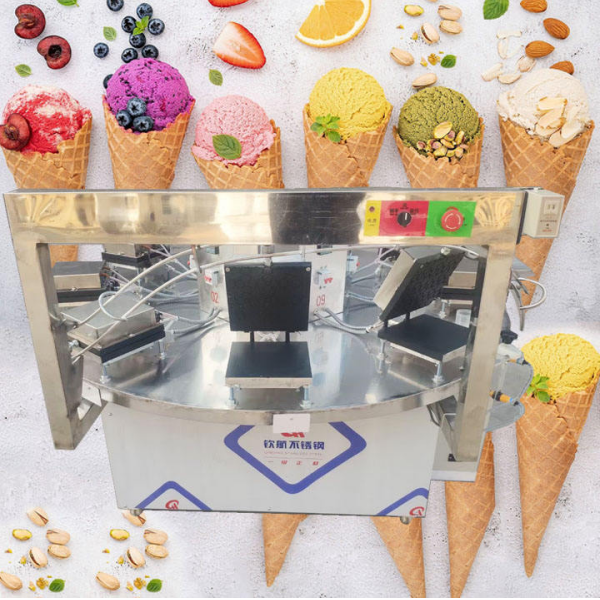
Comprendre le secteur des cornets de crème glacée
À la base, l'activité des cornets de glace tourne autour de la production ou de la vente de cornets comestibles utilisés pour servir de la crème glacée. Ces cônes se présentent sous plusieurs formes, y compris les cornets de gaufres, cornets de sucre, cornets de gâteau, et des cornets spéciaux tels que des variétés enrobées de chocolat ou sans gluten.
L'entreprise peut fonctionner à différents niveaux:
- Ventes de cornets de glace au détail (glaciers, kiosques, camions de restauration)
- Fabrication de cornets de glace en gros
- Production de cornets de glace sous marque privée
- Commerce de cornets de glace en ligne et vente en gros
- Marques de cornets de glace personnalisés ou premium
Chaque modèle a des coûts de démarrage différents, marges, et évolutivité, mais tous partagent un avantage: les cornets de glace sont bon marché, produits en grand volume avec une demande mondiale constante.
Demande du marché et stabilité de l’industrie
L’une des raisons pour lesquelles le secteur des cornets de glace reste attractif est son lien étroit avec le marché mondial de la crème glacée.. La consommation de crème glacée a tendance à résister même en période de ralentissement économique, car il est considéré comme une indulgence abordable.
Les principaux moteurs de la demande comprennent:
- Croissance des glaciers artisanaux et haut de gamme
- Hausse du tourisme et de la culture de la cuisine de rue
- Expansion des chaînes de desserts rapides et décontractés
- Une demande accrue de produits respectueux de l’environnement, emballage comestible
- Croissance sur les marchés émergents
Contrairement aux entreprises alimentaires axées sur les tendances, les cornets de glace ne sont pas une mode. Il s'agit d'un produit établi de longue date avec une demande stable, ce qui rend l'activité de fabrication de cornets de glace relativement peu risquée par rapport aux entreprises de nouveautés alimentaires.
Coûts de démarrage: Combien ça prend?
La rentabilité d’une entreprise de cornets de glace commence par la compréhension de l’investissement initial.
Entreprise locale ou à petite échelle de cornets de crème glacée
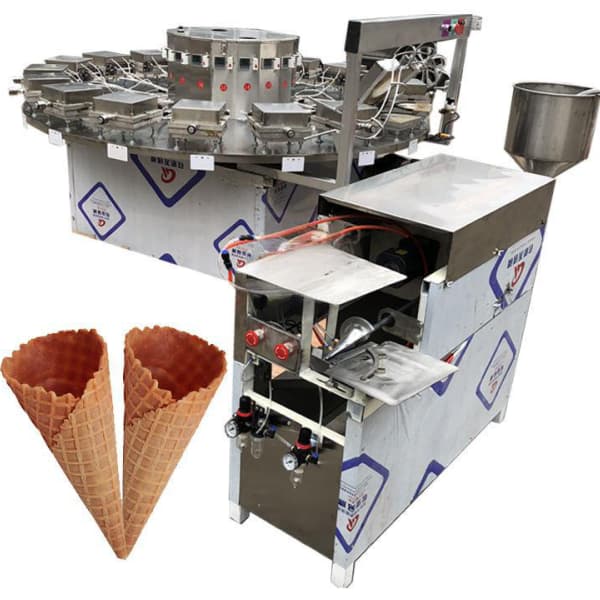
Une petite opération, comme la production de cornets pour les glaciers locaux, peut nécessiter:
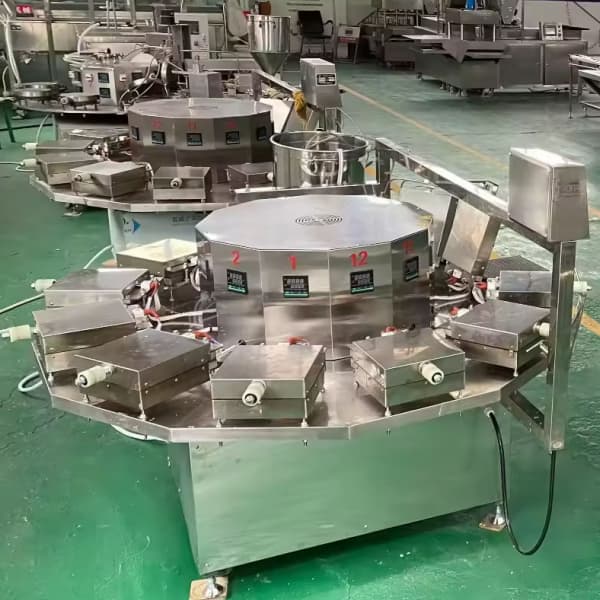
- Machines de base pour la fabrication de cônes
- Matériel de mélange et de cuisson
- Petit espace de production
- Certifications de sécurité alimentaire
Coût de démarrage estimé:
10 000 à 30 000 USD (selon la région et le niveau d'automatisation)
Entreprise de fabrication industrielle de cornets de crème glacée
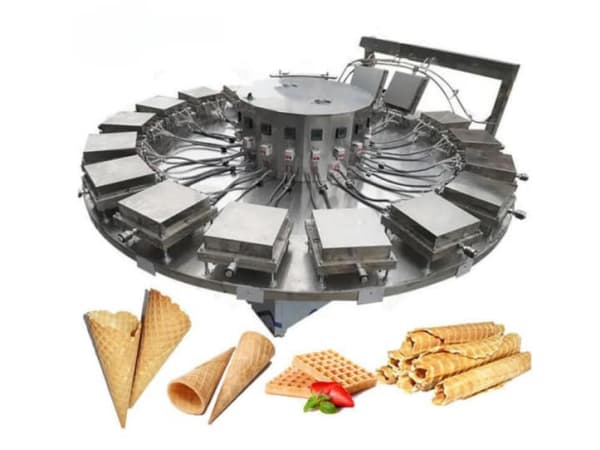
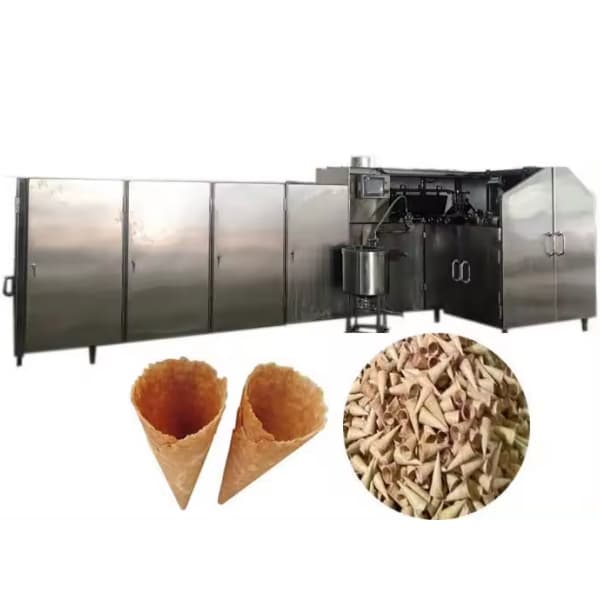
Une ligne de fabrication de cornets de glace entièrement automatisée comprend:
- Machines de cuisson de cônes de grande capacité
- Convoyeurs de refroidissement
- Systèmes automatiques d'empilage et d'emballage
- Matériel de contrôle et de test de qualité
Coût de démarrage estimé:
150 000 à 500 000 USD+
Bien qu’à forte intensité de capital, les opérations à grande échelle bénéficient d’économies d’échelle et d’une production beaucoup plus élevée.
Structure des coûts et dépenses de fonctionnement
Comprendre les coûts d'exploitation est essentiel pour évaluer la rentabilité d'une entreprise de cornets de crème glacée..
Principaux éléments de coût
- Matières premières (farine, sucre, huiles, arômes)
- Énergie et services publics
- Travail
- Matériaux d'emballage
- Entretien des équipements
- Transport et logistique
La bonne nouvelle est que les matières premières pour les cornets de crème glacée sont relativement peu coûteuses et largement disponibles.. Dans de nombreux cas, les coûts des ingrédients ne représentent que 25 à 35 % du prix du produit final.
Marges bénéficiaires dans le secteur des cornets de crème glacée
Les marges bénéficiaires varient considérablement en fonction du modèle commercial et de l'échelle.
Fabrication de cornets de crème glacée en gros
- Marge brute: 30%–55%
- Marge nette: 10%–25%
Entreprise de vente au détail de cornets de crème glacée
- Marge brute: 60%–80%
- Marge nette: 20%–40%
Marques de cornets de crème glacée haut de gamme ou spécialisés
- Marge brute: 50%–70%
- Marge nette: 25%–45%
Des marges élevées sont possibles car les cornets de glace sont légers, longue conservation, et peu coûteux à produire par rapport à leur prix de vente.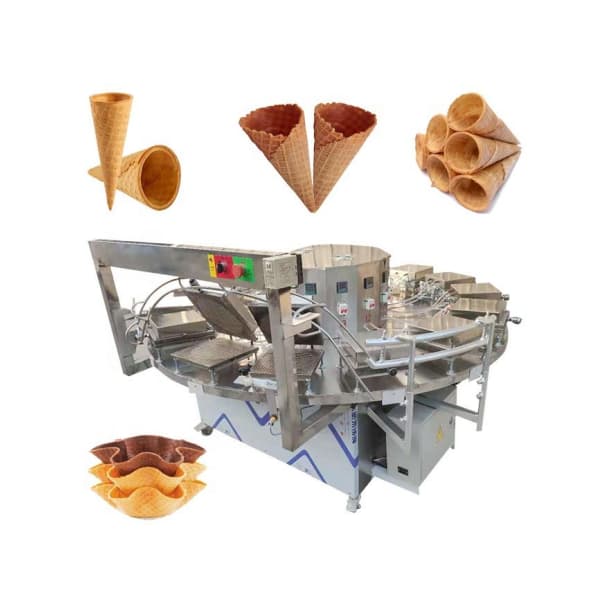
Évolutivité et potentiel de croissance
L’un des principaux avantages du secteur des cornets de glace est l’évolutivité.. Une fois les processus de production standardisés, l'augmentation de la production conduit souvent à une rentabilité plus élevée.
Façons de développer une entreprise de cornets de crème glacée
- Expansion dans l’approvisionnement en cornets de glace en vrac
- Exporter vers les marchés internationaux
- Proposer des cornets de glace de marque privée
- Développer des cornets aromatisés ou de spécialité
- Vendre directement aux restaurants et aux chaînes de desserts
De nombreux fabricants de cornets de glace à succès ont commencé en tant que petits fournisseurs locaux avant de se développer dans la distribution régionale ou mondiale..
Différenciation des produits: Se démarquer sur le marché
Même si les cornets de glace peuvent sembler génériques, la différenciation joue un rôle majeur dans la rentabilité.
Les stratégies de différenciation populaires incluent:
- Cornets de glace biologiques ou entièrement naturels
- Formulations de cônes végétaliens ou sans produits laitiers
- Cornets de glace sans gluten
- Cornets de gaufres colorés ou aromatisés
- Cornets de marque personnalisés pour les glaciers
Ces options à valeur ajoutée permettent aux entreprises de facturer des prix plus élevés et de réduire la concurrence sur les prix..
Saisonnalité et gestion des flux de trésorerie
L’un des défis du secteur des cornets de glace est la saisonnalité.. Dans de nombreuses régions, la demande atteint généralement son maximum pendant les mois les plus chauds et diminue pendant les saisons plus froides..
Les entreprises qui réussissent gèrent cela en:
- Diversification en cornets pour yaourts glacés ou desserts
- Production de cônes destinés à l'exportation vers des climats plus chauds
- Proposer des produits complémentaires tels que des cups ou des snacks en gaufrettes
- Construire un inventaire pendant les saisons creuses
Une bonne planification des flux de trésorerie garantit la rentabilité tout au long de l’année.
Canaux de distribution et stratégies de vente
La rentabilité d'une entreprise de cornets de glace dépend fortement de la manière dont les produits parviennent aux clients..
Canaux de distribution communs
- Vente directe aux glaciers
- Distributeurs en gros
- Fournisseurs de services alimentaires
- Plateformes de commerce électronique et B2B
- Supermarchés et chaînes de vente au détail
Les ventes en ligne et les contrats privés avec les marques de glaces génèrent souvent des marges plus élevées et une demande plus prévisible..
Risques et défis dans le secteur des cornets de crème glacée
Aucune entreprise n'est sans risque. Les principaux défis comprennent:
- Concurrence par les prix sur les marchés marchandisés
- Hausse des coûts de l’énergie ou des ingrédients
- Contrôle qualité et conformité en matière de sécurité alimentaire
- Dépendance aux tendances de l’industrie de la crème glacée
- Logistique et casse pendant le transport
Cependant, par rapport à de nombreuses entreprises de fabrication de produits alimentaires, la production de cornets de glace reste relativement simple et gérable.
Avantages de la technologie et de l'automatisation
L'automatisation moderne a considérablement amélioré la rentabilité du secteur de la fabrication de cornets de glace.
Les avantages:
- Coûts de main-d'œuvre réduits
- Qualité constante des produits
- Rendement horaire plus élevé
- Réduction des déchets
- Un respect plus facile des normes alimentaires
Les entreprises qui investissent dans l’automatisation obtiennent souvent des marges à long terme plus élevées malgré des coûts initiaux plus élevés..
Durabilité et tendances futures
La durabilité devient un argument de vente majeur dans le secteur des cornets de glace.
Les principales tendances comprennent:
- Alternatives comestibles aux gobelets en plastique
- Réduction des déchets d'emballage
- Des méthodes de production respectueuses de l'environnement
- Cônes végétaux et sans allergènes
Alors que les gouvernements et les consommateurs réclament des solutions durables, les cornets de crème glacée se positionnent de plus en plus comme une option d'emballage de desserts respectueuse de l'environnement.
Scénarios de cas: À quel point cela peut-il vraiment être rentable?
Petit Producteur Local
- Chiffre d'affaires annuel: USD 200,000
- Marge bénéficiaire nette: 18%
- Bénéfice net: USD 36,000
Fabricant en gros de taille moyenne
- Chiffre d'affaires annuel: USD 2 million
- Marge bénéficiaire nette: 22%
- Bénéfice net: USD 440,000
Grande entreprise de cornets de crème glacée orientée vers l'exportation
- Chiffre d'affaires annuel: USD 10 millions+
- Marge bénéficiaire nette: 25%
- Bénéfice net: USD 2.5 millions+
Ces exemples montrent que la rentabilité évolue considérablement avec le volume et l'efficacité opérationnelle..
Le secteur des cornets de crème glacée vaut-il la peine d'être lancé ??
Pour les entrepreneurs à la recherche d'une stabilité, évolutif, et une entreprise alimentaire à risque relativement faible, le secteur des cornets de glace offre des avantages incontestables. Avec de faibles coûts de matières premières, forte demande mondiale, et de multiples voies de croissance, cela peut être très rentable lorsqu'il est bien géré.
Le succès dépend de:
- Choisir le bon modèle économique
- Maîtriser les coûts et maintenir la qualité
- Construire des relations clients solides
- Des produits différenciants
- Planification de la saisonnalité
Pensées finales: À quel point le commerce des cornets de crème glacée pourrait-il être rentable?
Donc, à quel point le commerce des cornets de glace pourrait-il être rentable? La réponse est: très rentable, lorsqu'on l'approche stratégiquement. Même si cela n’a peut-être pas le glamour des startups de haute technologie, le secteur des cornets de glace offre quelque chose de tout aussi précieux : une demande constante, marges fiables, et un potentiel de croissance à long terme.
Que vous souhaitiez démarrer une petite entreprise de production de cornets de glace, lancer une marque de cônes premium, ou construire une usine de fabrication de cornets de glace à grande échelle, ce produit intemporel continue de prouver que des idées simples peuvent générer de bons retours.